Consumer Attitudes Driving Refurbished Electronics Market Boom


Introduction
Sustainability has surged up the agenda in recent years, with consumers and businesses becoming more environmentally conscious. Climate change awareness, government policy, media attention, and calls from leading scientists have put this issue at the forefront of our minds. The electronics industry clearly shows this shift, with eco-conscious consumers increasingly choosing refurbished electronics.
The Growing Problem of E-Waste
The global electronics industry is a significant contributor to greenhouse gas emissions, accounting for roughly 4% of the total. E-waste, or electronic waste, is the fastest-growing type of waste globally, with a forecasted increase of 30% by 2030. In 2022, the UK produced the second highest amount of e-waste in the world. Alarmingly, we recycle only 17% of e-waste globally, leaving the majority to end up in landfills, which contributes to environmental degradation and resource depletion.

Shifting Consumer Attitudes
A survey conducted by Trojan Electronics in April 2023 provides valuable insights into current consumer attitudes towards refurbished electronics:
- Environmental Impact Awareness: 71% of consumers consider the environmental impact of their electronic goods purchases, deliveries, and returns. This indicates a strong preference for products that align with sustainable practices.
- Brand Environmental Credentials: 67% of consumers state that the environmental credentials of a brand or retailer matter to them when buying a product. This shows that consumers focus not only on the products themselves but also on the sustainability practices of the companies they buy from.
- Purchasing Trends: Despite the growing awareness, only 14% of consumers have bought a refurbished smartphone, and 9% have purchased a refurbished laptop or tablet. This shows that consumers focus not only on the products themselves but also on the sustainability practices of the companies they buy from.
The Appeal of Refurbished Electronics
Several factors contribute to the increasing popularity of refurbished electronics among consumers:
1. Environmental Benefits
Opting for refurbished electronics helps reduce e-waste and the demand for new products, thereby conserving resources and lowering greenhouse gas emissions. Consumers who choose refurbished devices actively participate in a more circular economy, reusing and recycling products to minimize environmental impact.
2. Cost Savings
Refurbished electronics offer substantial cost savings compared to new devices. This affordability makes high-quality technology accessible to a broader audience, allowing consumers to enjoy premium products at a fraction of the cost.
3. Quality Assurance
Modern refurbishment processes ensure that refurbished electronics meet high standards of quality and reliability. Many refurbished products come with warranties and guarantees, providing consumers with confidence in their purchases. Rigorous testing and repairs ensure that these devices function as well as new ones.
4. Access to Premium Technology
Refurbished electronics often include high-end models that may be out of reach for many consumers when purchased new. This availability enables consumers to access advanced technology without the premium price tag.
5. Positive Consumer Experiences
Consumer experiences with refurbished electronics have been overwhelmingly positive:
- Minimal Bad Experiences: Just 1% of refurbished purchasers have had a bad experience with their product.
- Indistinguishable Quality: 24% of customers couldn’t tell their item was refurbished at all.
- High Repeat Purchase Rate: 79% of people who bought a refurbished product would make a repeat purchase.
6. Growing Market Presence
- Online Sales Dominance: 80% of all refurbished goods are sold via online marketplaces like BackMarket or eBay.
- In-Store Sales: Just 11% of refurbished or repaired goods sales are in-store, reflecting the convenience and reach of online platforms.
Market Growth and Potential
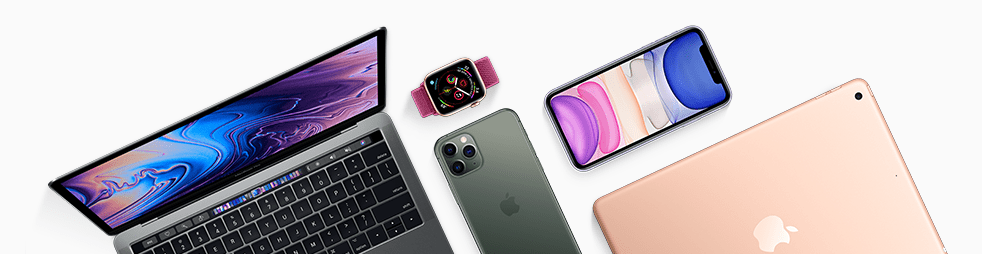
The refurbished electronics market is experiencing significant growth. The market value stood at $85.42 billion in 2021 and will grow to $272.91 billion by 2031, driven by increasing consumer awareness and demand for sustainable, cost-effective products.
The Role of Businesses and Government
Both businesses and governments have a crucial role in promoting the adoption of refurbished electronics. Companies can lead by example by integrating refurbished devices into their operations and encouraging sustainable practices among employees and customers. Governments can support these efforts through policies and incentives that promote recycling and the use of refurbished products.
For instance, offering tax incentives for businesses that purchase refurbished electronics can make these choices more economically viable. Implementing stricter regulations on e-waste disposal and promoting public awareness campaigns can also help shift consumer behavior towards more sustainable practices.
Conclusion
The shift in consumer attitudes towards refurbished electronics is a promising trend in the fight against e-waste and climate change. By choosing refurbished devices, consumers can enjoy high-quality products at lower prices while contributing to a more sustainable future. As awareness continues to grow and more people make environmentally conscious choices, the demand for refurbished electronics is likely to increase, driving further innovation and improvements in the refurbishment process.
At Refurbished Tech Deals, we help our community find the best price for their first or next refurbished purchase. Together, we can make a difference and help create a greener, more sustainable world.